Your customers aren’t only on the web. Adform reaches them wherever they make decisions.

We don’t rely on a single platform for programmatic buying. We work with several tools, each with its own strengths and use cases, so we choose the tool based on the campaign goal, not out of habit. We mainly use Adform when we want to take a brand beyond the classic web: onto TV, outdoor screens and, newly, even into ChatGPT. It’s also a good fit when we want to build communication as a sequential story or promote a category that other platforms restrict.

What to expect from an awareness campaign

The goal of an awareness campaign is to get the brand into people’s heads before they start choosing. That’s why we don’t measure success by clicks, but by how many people we reached, how often, and how well they remembered the brand.

Why Adform

Adform is a programmatic advertising platform widely used across Central and Eastern Europe and actively connected with local publishers, CTV and DOOH. It offers a wide range of formats from banners to video, but we use it deliberately where it adds something extra.

1. TV that targets like online

Traditional TV reaches a lot of people, but it’s expensive and untargeted. Through Adform, you can buy ads in streaming services (e.g. Tivio and Oneplay), CTV apps and channels (e.g. Oktagon.tv, Joj.tv, DVTV or CNC), and in the live broadcasts of 12 regional TV stations.

Buying, targeting and setup options:

  • Buying via open auction as well as private deals.
  • Targeting by channel and programme.
  • Geographic targeting, including live broadcasts of regional TV stations.
  • Formats: a non-skippable spot of up to 30 s during a programme, or a 6 s bumper when the channel is launched.
  • Frequency capping on selected services.
  • Retargeting TV ad viewers with banners thanks to the transfer of first-party identifiers.
What you get: TV reach with the precision of online advertising, even on a budget that wouldn’t be enough for nationwide TV.

2. Streets and stores where people shop

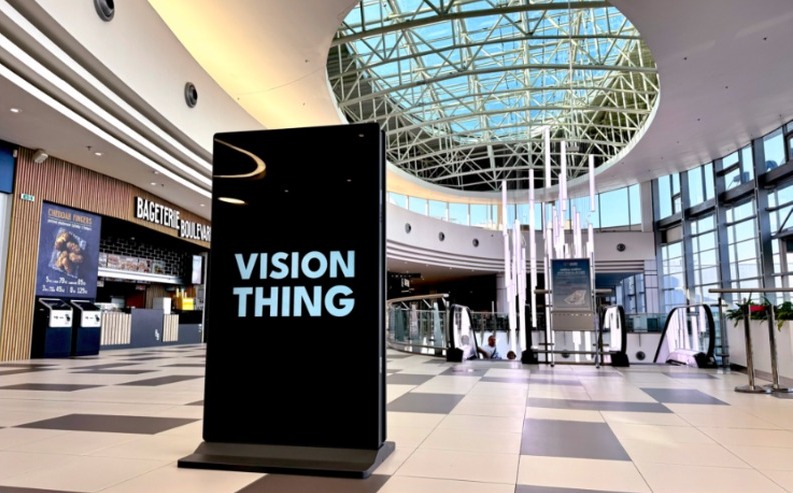
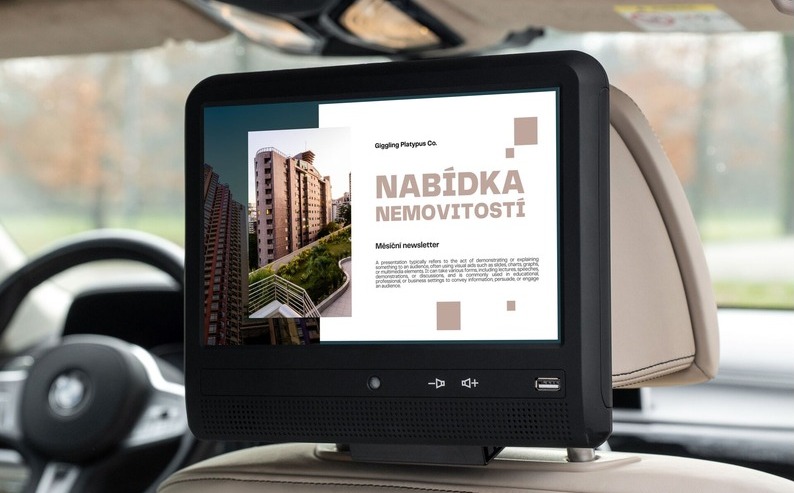
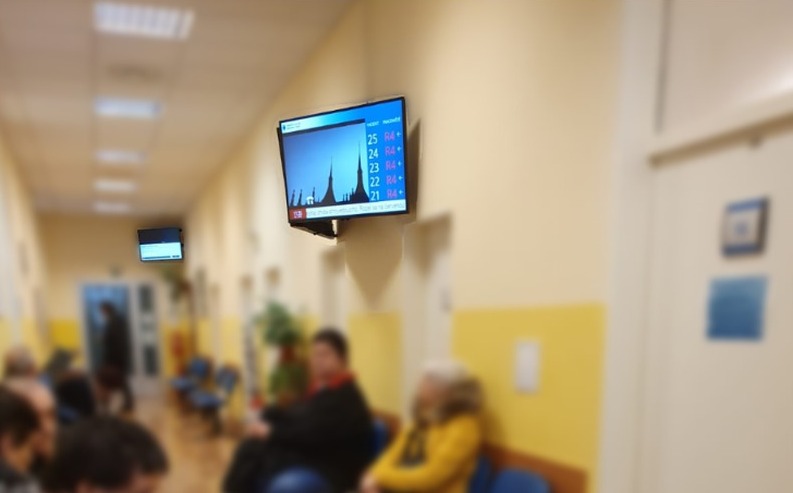
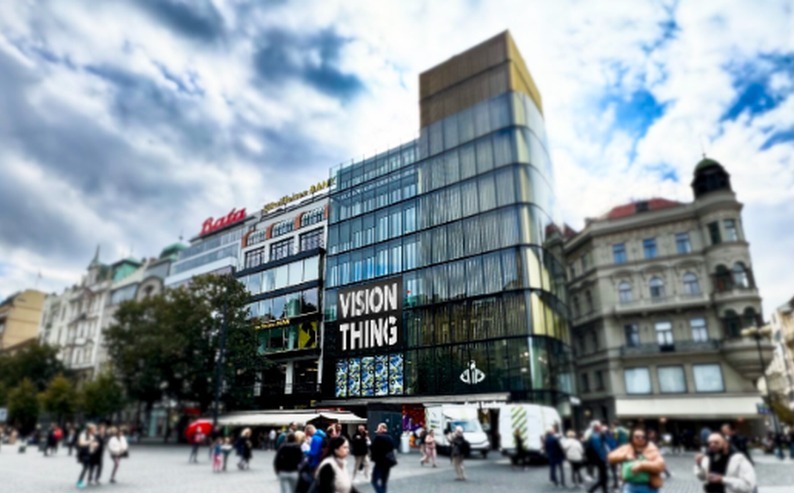
Digital out-of-home (DOOH) advertising in Adform covers LED billboards, shopping malls, hypermarkets and airports, as well as screens in taxis and waiting rooms. Formats can be banner, video or audio.

Buying, targeting and setup options:

  • Selection of specific screens and locations via the DOOH planner.
  • By weather, e.g. automatically launching the campaign at a certain temperature or when it rains
  • By time of day and day of the week.
  • By the audience in front of the screen in real time (approximate age, gender, group composition), cookieless and GDPR-compliant.
  • Buying via private deals in Adform; some specific media, such as screens in taxis or waiting rooms, are bought directly.
  • Due to the nature of the format, frequency cannot be capped for DOOH.

What you get: ads right where customers shop, paid for only at the moments when they make sense.

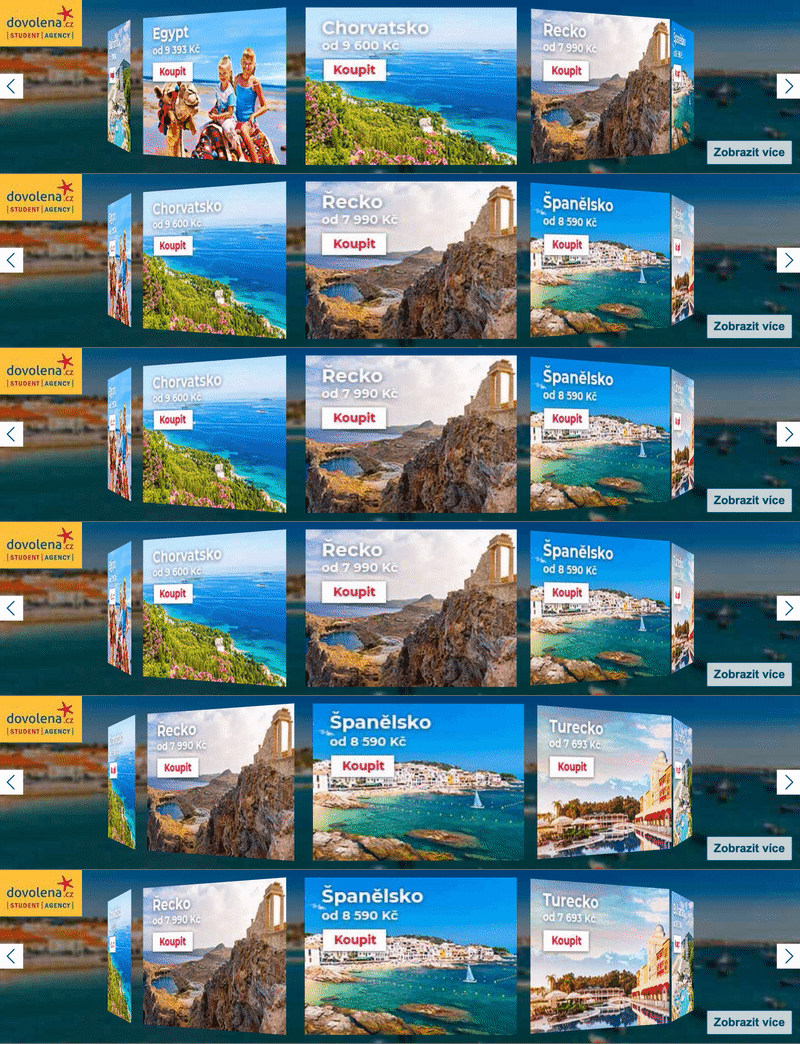
Source: VisionThing.cz, AdsGo.cz, Mojeobrazovka.cz

3. A story instead of repetition

The most common mistake in awareness campaigns: the same banner shown to the same person over and over. Thanks to impression-based remarketing, Adform can build communication as a story. Anyone who has seen or interacted with the first ad receives a follow-up message, even without visiting the website.

The story can be built from banners, brandings, mobile brandings and video, and audiences can be combined with other data. Typically, the first ad introduces the brand, the second shows the product’s specific benefits, and the third comes with an offer for those who showed interest.

Online, one person appears under different identifiers depending on which website they’re logged into or which device they use. ID Fusion technology links them together and recognises that it’s the same person. That way we don’t show them the ad too often, even as they move across different websites.

What you get: every additional impression moves the customer closer to a purchase, instead of repeating the same thing and burning through the budget.

4. Formats nobody can miss

Adform offers a wide range of rich media formats: video, sound, animation or even a game right inside the banner. Dynamic creatives change their content based on location, time or weather, so the ad speaks to the customer’s specific situation.

What you get: more attention for the same money and a message that fits.

5. Be there when the customer is deciding

People increasingly spend time with ChatGPT and ask it what to buy. Adform is one of OpenAI’s technology partners and is launching ads in ChatGPT in 31 European countries.

  • The ad appears as a labelled sponsored card below ChatGPT’s answer.
  • Targeting is based on conversation topic, location and device.

What you get: your brand is visible exactly when the customer is comparing options. We recommend starting with a test with clearly defined metrics.

Where Adform pays off the most

  • New product launch: a TV spot for fast, broad reach, outdoor screens in places where the target group moves, and follow-up banners only for those who saw the spot. No budget goes to people who aren’t interested.
  • Branch or store network: regional TV and outdoor screens only in areas with branches, plus banners showing the address of the nearest branch. You only spend where you have customers.
  • Restricted categories: an environment where you can also promote alcohol, financial services or pharmaceuticals.

Do any of these sound like you?

  • You want to show your brand on TV or outdoor screens, not just on the web.
  • You have a network of branches or stores and want to invest only where you have customers.
  • You sell in a restricted category such as alcohol, financial services or pharmaceuticals.
  • You want to build your communication as a story, not as one banner on repeat.

What to keep in mind: targeting data and advanced features such as brand safety come at an extra cost, and frequency can’t be capped on outdoor screens. We factor in both right from the campaign planning stage.

From plan to results

We build every campaign around its goal: we select the placements and regions that make sense for your brand, set up measurement from day one, and present the results in a way that supports decisions about future budget.

Curious where else your brand could be seen?

Let us know and we’ll suggest which Adform options would help you most.

By submitting the form you agree to provide personal data.

CAPTCHA
This question is for testing whether or not you are a human visitor and to prevent automated spam submissions.
RTB
27. 10. 2026